Welcome to personal resilience index report in the UAE
This report presents a UAE view of the Global People Resilience Study 2026, developed by Zurich Insurance Group in collaboration with Professor Jan-Emmanuel De Neve, Director of the Wellbeing Research Centre at the University of Oxford, and Oxford Research and Development Partners. It surveyed 11,175 people across 16 countries, including 973 in the UAE. Where this report refers to “global” findings, it means the results across these 16 countries.
The findings and commentary here reflect Zurich International Life’s interpretation of the study as it applies to the UAE. You can find the details about our methodology and survey in the report.
Click here to read it in Arabic.


The UAE’s greatest asset is its people and their ambition for the future.
The UAE has made resilience a national priority. From the National Strategy for Wellbeing 2031 to workplace wellbeing programmes offered by leading employers, organisations are helping people navigate change, strengthen social connections, and support their mental wellbeing.
Financial resilience is also being reinforced through initiatives such as the DIFC Employee Workplace Savings (DEWS) Plan, which empowers employees to build long-term financial security.
Together, these initiatives reflect the UAE's proactive approach to helping residents not only cope with uncertainty but thrive in the face of it.
HH Sheikh Mohammed Bin Zayed Al Nahyan
President of United Arab Emirates
Resilience is usually spoken about in terms of hardship. The ability to absorb a shock, recover from a setback, hold steady when things go wrong. In the UAE, the picture looks different.
Here, resilience is less about bouncing back and more about moving forward. It shows up as confidence, as belonging, and as a quiet expectation that tomorrow can be better than today.
That is not accidental. It reflects a country that has made wellbeing a national priority and a population that feels genuinely supported to navigate change.
The findings also tell us where the work is. Confidence is high, but confidence and preparedness are not the same thing. Financial preparedness in particular is where many people, and many employers, still have ground to make up.
It is the difference between feeling ready for the future and actually being ready for it. That gap is where I believe we have a role. Not as observers of resilience, but as one of the people helping to build it, alongside the government, employers and families already doing the same. The UAE has the confidence. The opportunity now is to match it with security that lasts.
Walter Jopp
Chief Executive Officer - Zurich Middle East
Measuring resilience
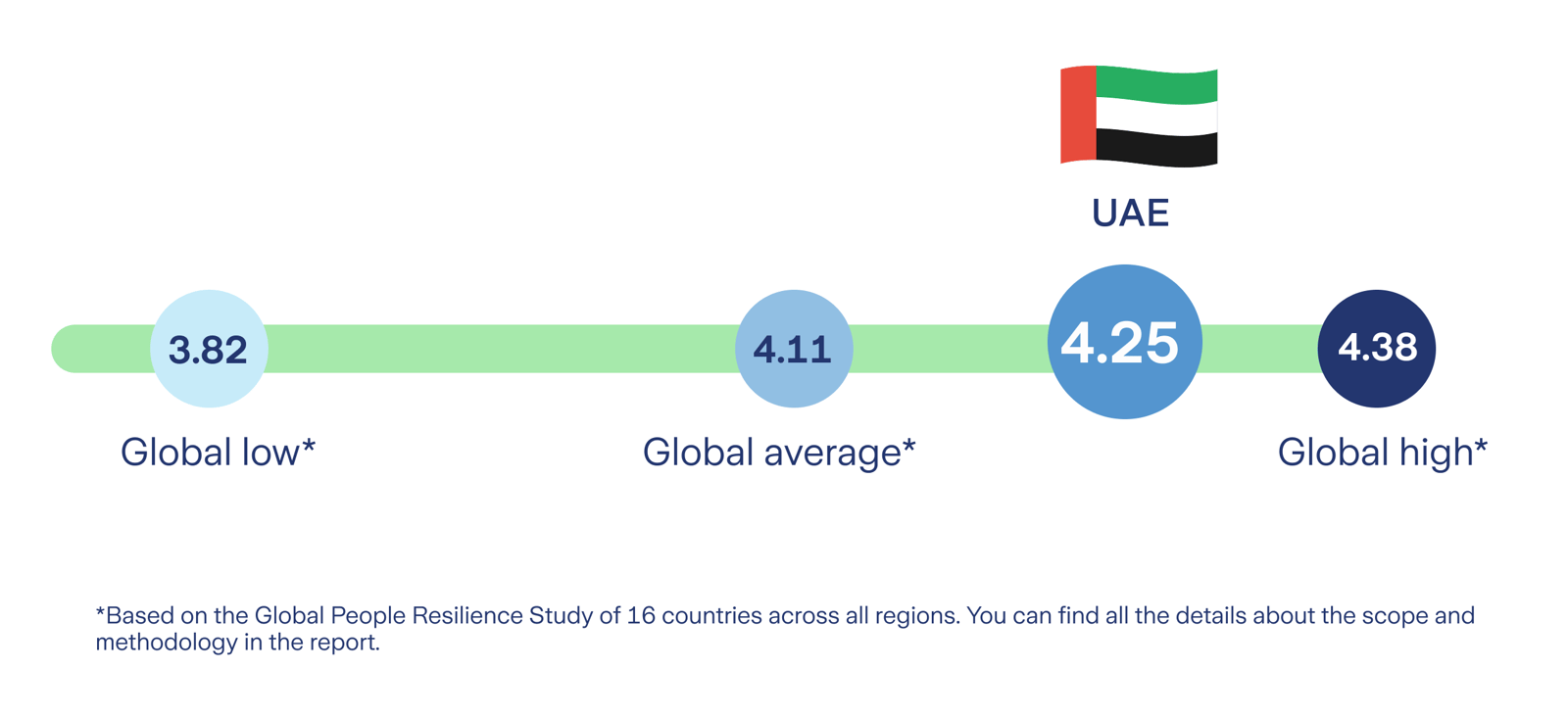
In the UAE resilience is not just an individual trait. It’s bolstered by a wider national ecosystem of wellbeing, belonging, safety, opportunity and supportive workplaces.
Two views of resilience
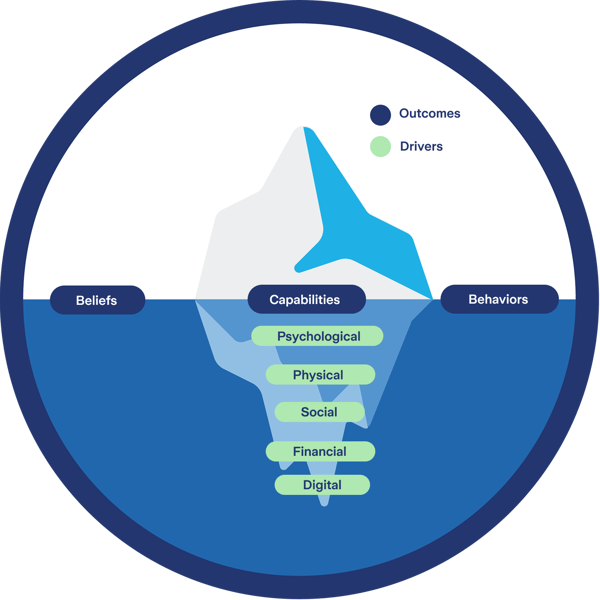
Personal resilience is best viewed as a dynamic process through which we maintain, restore, and, where possible, enhance our wellbeing in the face of change and disruption.


The UAE resilience advantage
Leadership that makes wellbeing a priority
0% of residents say government wellbeing initiatives positively impact their mental health.
Belonging is a strategic advantage
In one of the most diverse countries in the world, 0% of residents report a strong sense of belonging in the UAE.
Confidence to deal with uncertainty
0% believe children in the UAE are developing the resilience skills they need for the future.
Confidence in the next generation
Safety is the clear #1 driver of resilience at 0.0%.
Second driver is Government policies and support at 0.0%.
Top-down confidence across the workforces
Resilience in the UAE workplace is driven less by traditional wellbeing initiatives and more by:
Work flexibility – 0.0%
Job stability – 0.0%
Leadership – 0.0%
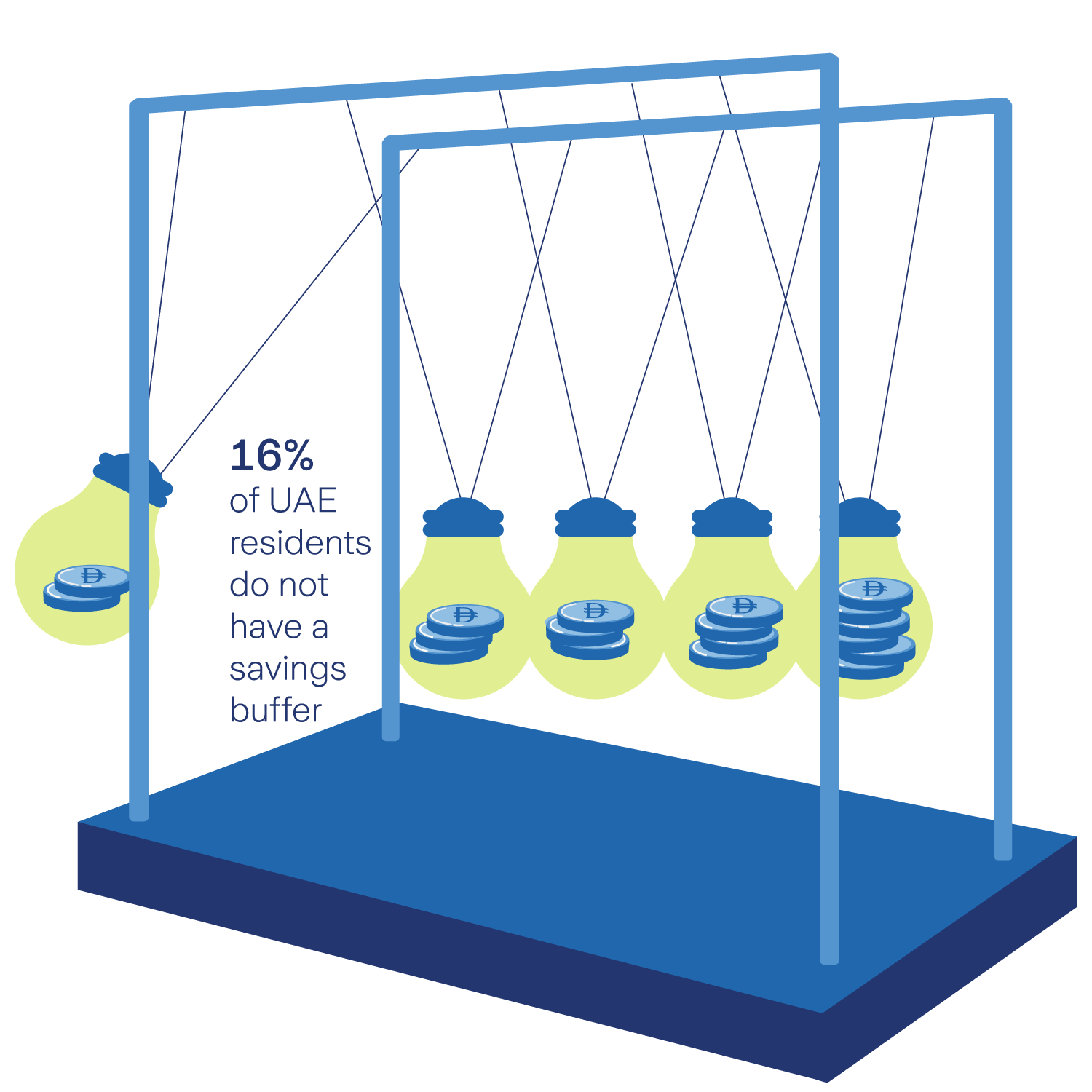
Financial preparedness is the UAE’s biggest opportunity to strengthen resilience.
A person can feel optimistic, healthy, and socially connected, but a lack of savings or financial protection can quickly undermine resilience when unexpected events occur.
The role of UAE employers in driving financial resilience

Wellbeing support
We asked people in the UAE which forms of support from their employer are most helpful in building resilience during uncertain times. The results reveal a clear hierarchy of priorities.

Financial confidence drivers²
Building financial confidence requires more than income alone. The findings highlight the important role employers can play in strengthening financial confidence through workplace-led benefits, savings solutions, financial education, and advice.
²Source Zurich YouGov survey Feb 2026
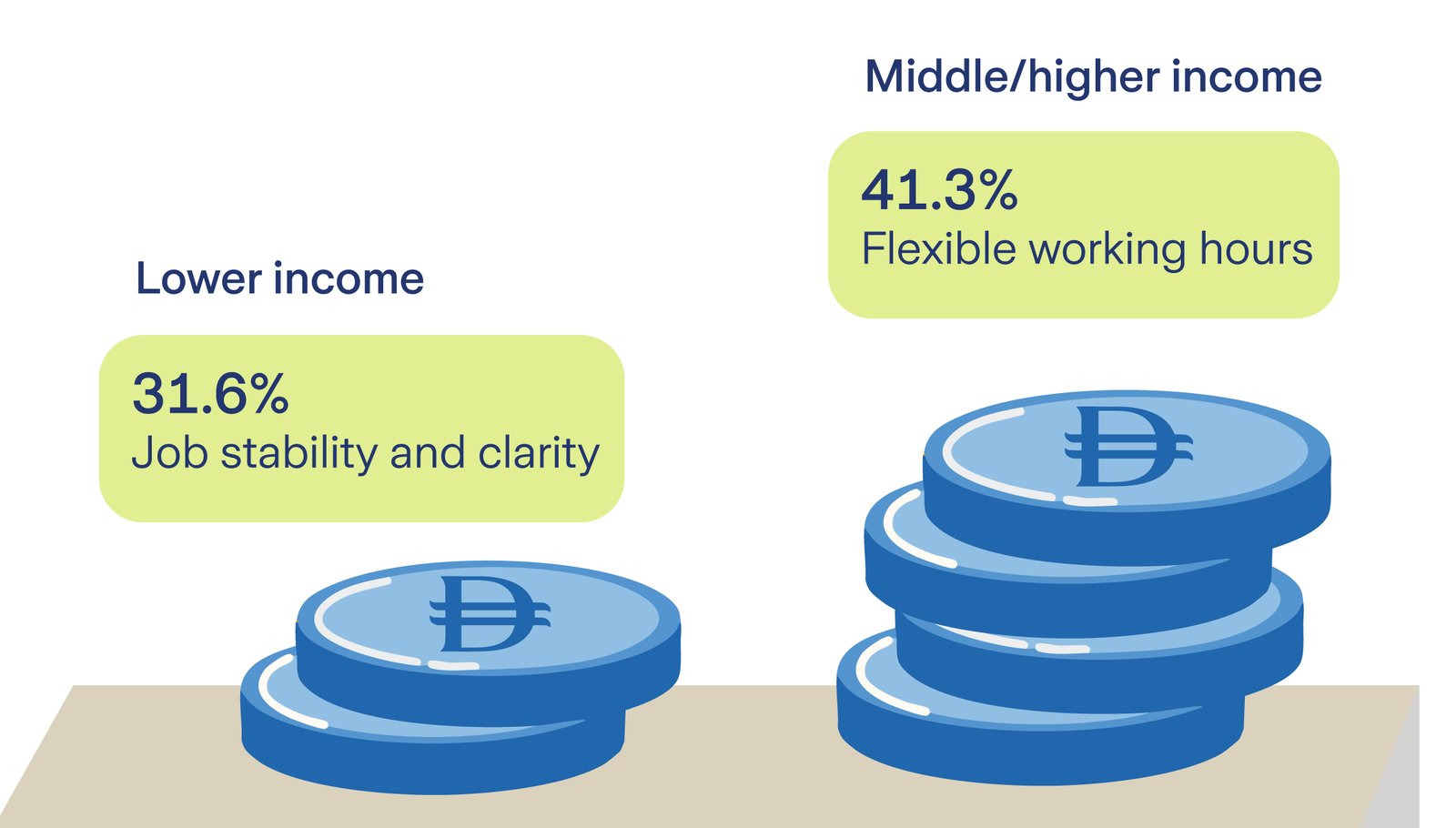
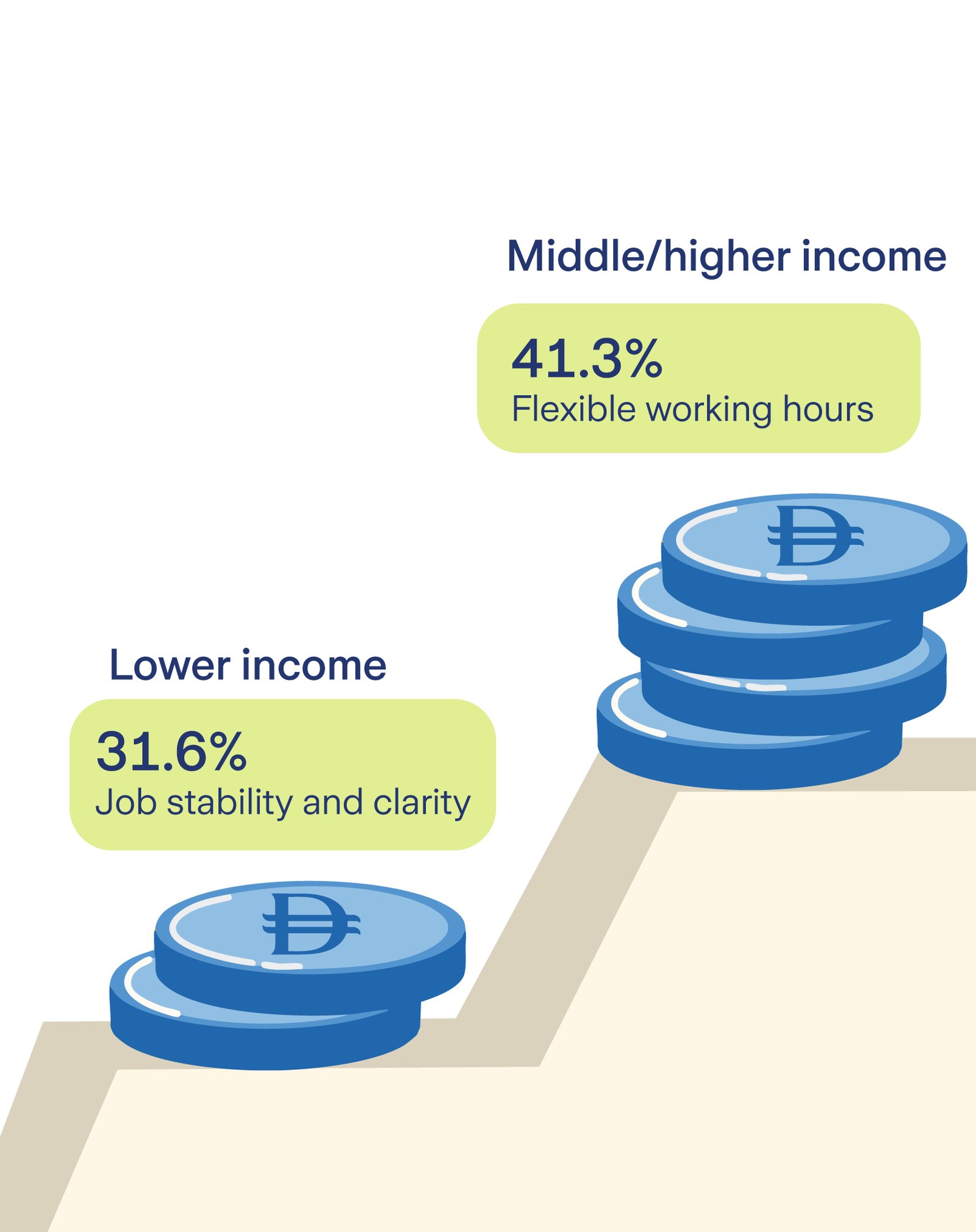
The biggest resilience divide is income
This highlights the need for employers to tailor resilience strategies to different workforce segments.
A one-size-fits-all approach to resilience is unlikely to deliver impact, as employee needs differ across workforce segments.
Employers are closer to the lives of their people than most institutions and therefore have both a responsibility and an incentive to look out for the resilience of their employees.
The People Resilience Study shows the UAE is starting from a great place, but there is still much to do to protect a family when circumstances change.
Workplace savings, protection and financial education play a key role, and supporting financial preparedness is where employers can turn resilience into readiness.
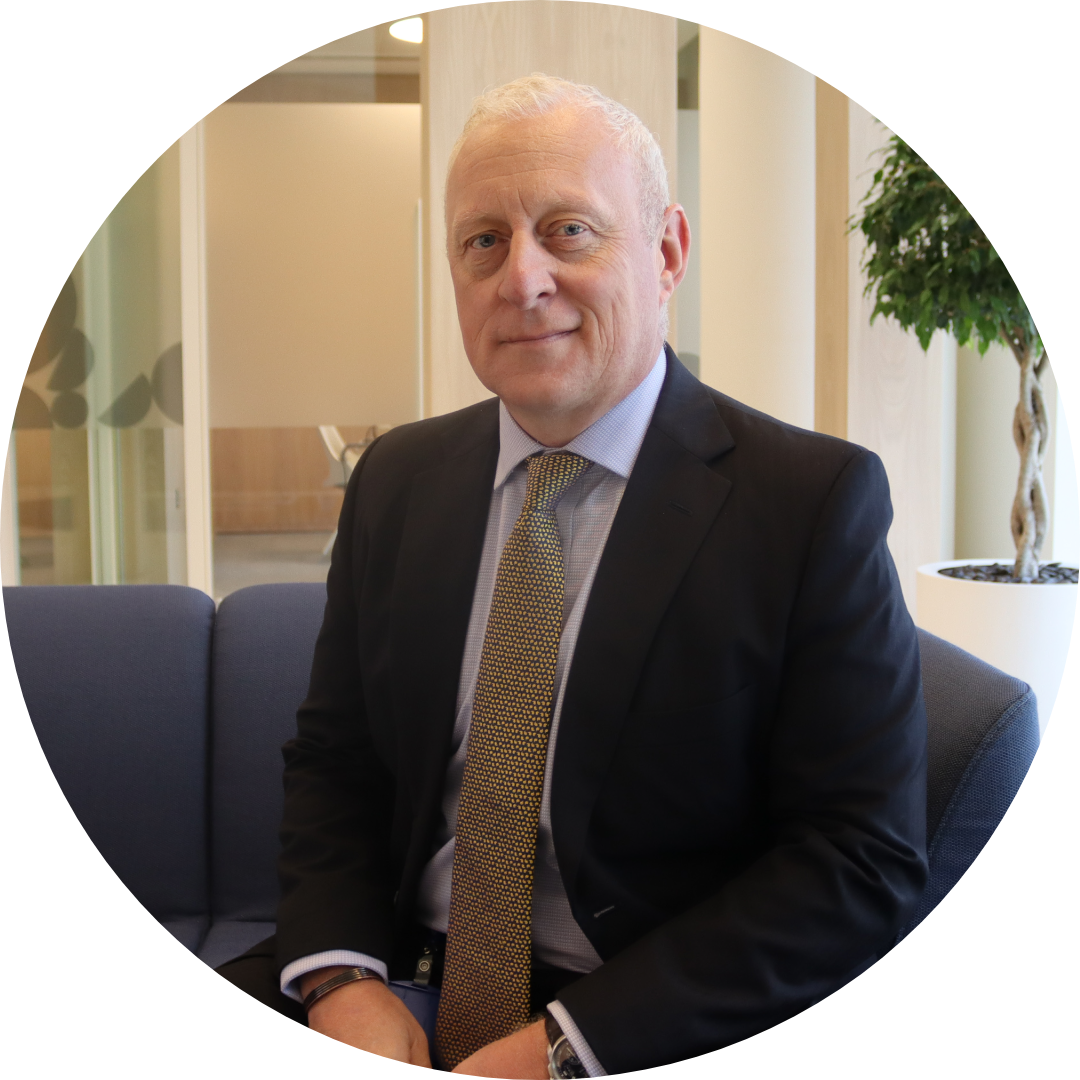
Matthew Whitehouse
Head of Corporate Life and Pensions
Resilience as a national priority

Psychological
Supports mental wellbeing, positive mental health, coping ability, and adaptability.

Physical
Encourages healthier lifestyles and physical wellbeing.

social
Strengthens belonging, social connection, and support networks.

Financial
Protects employee’s long-term financial security and preparedness.

Digital
Decisive and quick to adapt to technological change.
UAE initiatives that support resilience

Turning our advantage to action for a more resilient UAE
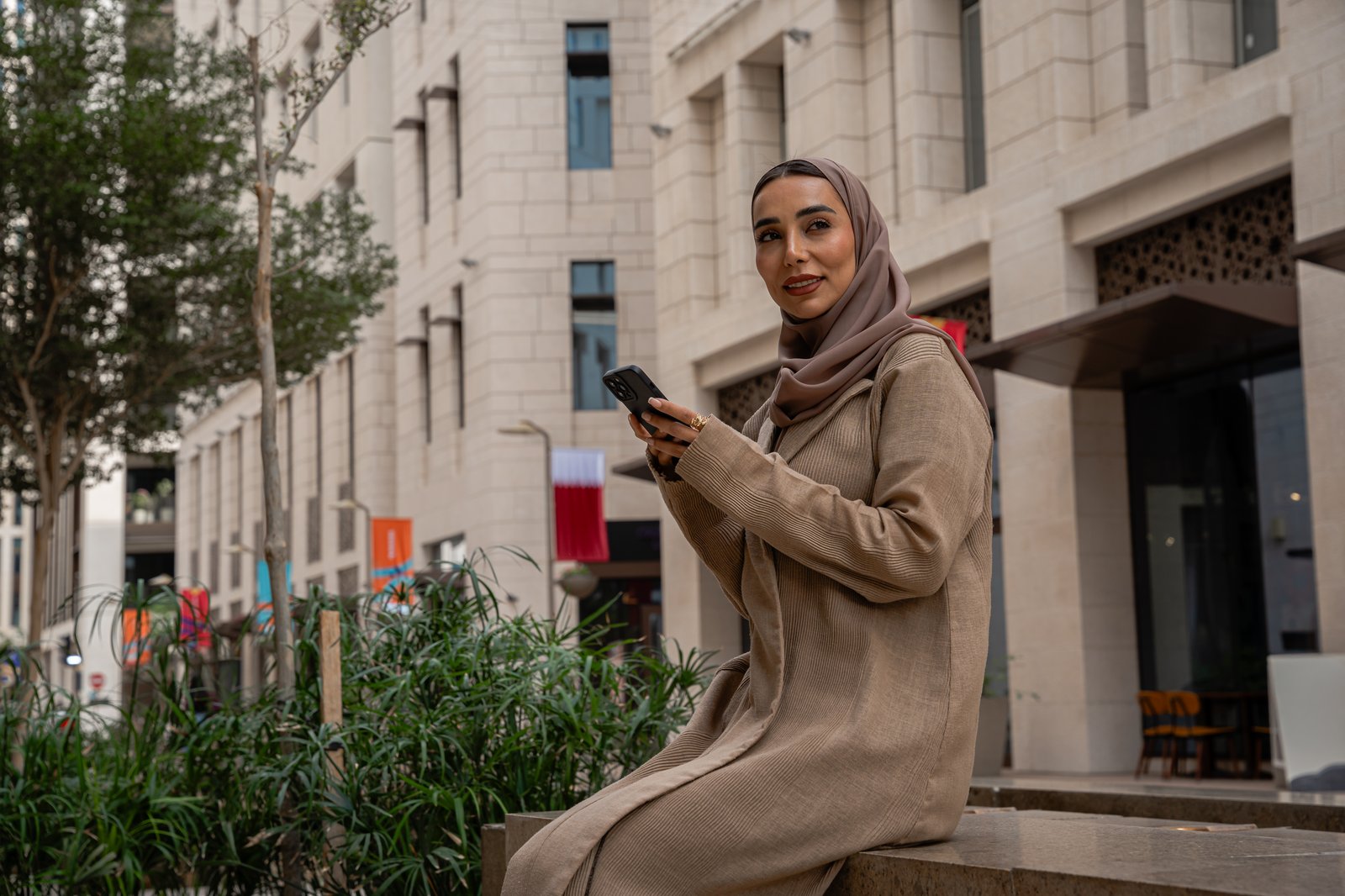
For individuals
Turn confidence into preparedness.
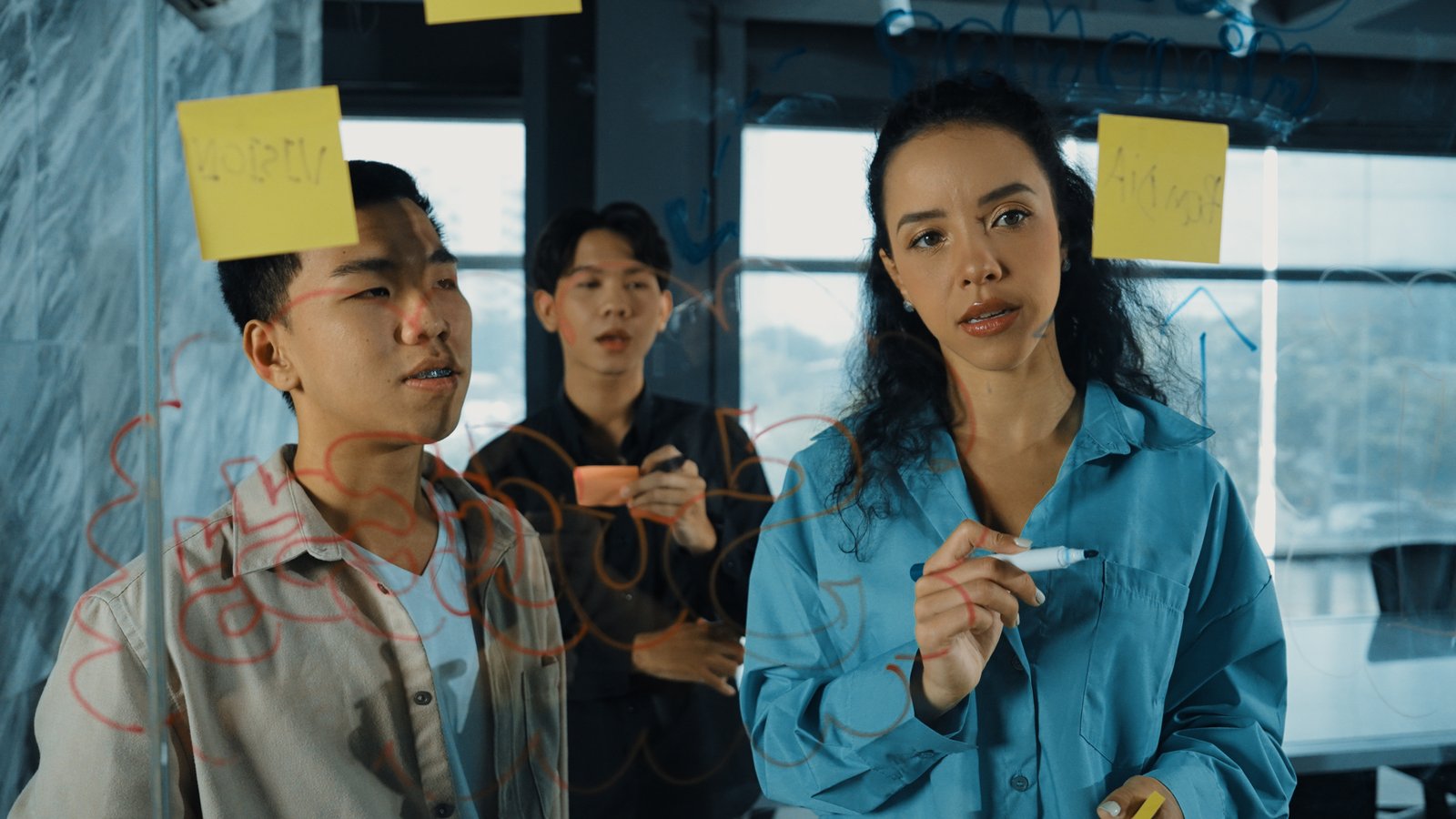
For employers
Make resilience part of workforce culture.

For families
Build early resilience habits.
Methodology
The study is based on responses from 11,175 working-age adults across 16 countries, with per-country samples ranging from 499 to 1,110. Respondents range in age from 18 to 69, with a mean of 38, and the sample is close to gender-balanced at 49% women and 51% men.
You’ll find more details in the report.